Cadibara: The Complete Guide to Meaning, Animal Facts, Symbolism, and Modern Relevance
Introduction
The internet has introduced many new words and trends, and one of the most interesting among them is Cadibara. At first glance, the word may seem unfamiliar, but it is closely linked to one of the most unique and gentle animals in the world—the capybara.
Cadibara is often used as a variation of capybara, but it is also gaining attention as a concept that represents calmness, balance, and organized living. This dual meaning makes it both educational and inspiring.
In this detailed guide, you will learn everything about Cadibara. From the real animal and its lifestyle to its symbolic meaning and role in modern digital culture, this article will help you understand why Cadibara is becoming so popular.
1. What Is Cadibara and Why Is It Popular
Cadibara is a term that is commonly associated with the capybara, the largest rodent in the world. However, it is not an official dictionary word. Instead, it is often used as a variation or creative spelling.
The popularity of Cadibara has increased due to social media and online content. People are fascinated by capybaras because of their calm nature and friendly behavior.
Many users search for Cadibara because:
- They see it online and feel curious
- It looks like a real word
- It is connected to a popular animal
- It represents a peaceful lifestyle
This growing interest has made Cadibara a trending keyword in digital spaces.
2. The Origin and Meaning of the Word Cadibara
The word Cadibara likely comes from the word “capybara.” Small spelling changes often happen in online communication due to typing habits or creative branding.
Language on the internet evolves quickly. New words are created through:
- Typing variations
- Pronunciation differences
- Social media trends
- Creative naming
Cadibara is an example of how a simple variation can become widely recognized. While it still refers to the capybara, it may also carry additional meanings based on how people use it.
3. Understanding the Animal Behind Cadibara
The animal behind Cadibara is the capybara, scientifically known as Hydrochoerus hydrochaeris. It is the largest rodent in the world.
Capybaras are semi-aquatic animals, meaning they live both on land and in water. They are known for their calm behavior and strong social bonds.
These animals are native to South America and are often found near rivers, lakes, and wetlands.
Their peaceful personality and unique lifestyle have made them popular worldwide, especially on social media platforms.
4. Physical Characteristics of Cadibaras
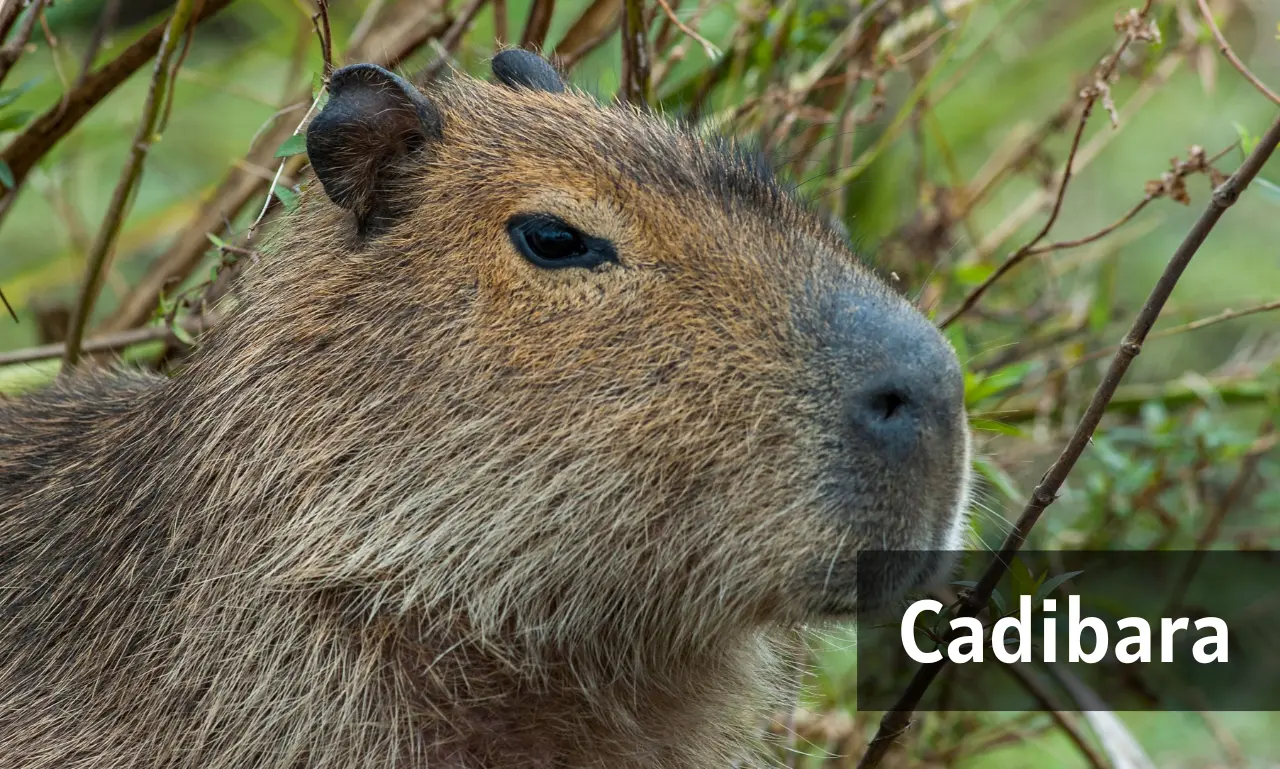
Cadibaras have a very distinctive appearance. They have large, round bodies with short legs. Their weight can range from 35 to 66 kilograms, making them much larger than typical rodents.
Their fur is usually brown or reddish-brown, which helps them blend into natural surroundings. One of their most important features is their webbed feet. This allows them to swim easily and escape from predators.
Their eyes, ears, and nose are located on the top of their heads. This helps them stay alert even when they are in the water. These features make Cadibaras perfectly adapted to their environment.
5. Habitat and Geographic Distribution
Cadibaras live mainly in South America. They are found in countries like:
- Brazil
- Argentina
- Colombia
- Venezuela
- Paraguay
They prefer habitats near water, such as wetlands, rivers, and lakes.
Water is very important for their survival. It helps them:
- Stay cool in hot weather
- Escape from predators
- Find food
Because of this, Cadibaras rarely live far from water sources.
6. Diet and Feeding Habits
Cadibaras are herbivores, which means they eat plants.
Their diet mainly includes:
- Grasses
- Aquatic plants
- Fruits
- Leaves
- Bark
They spend many hours each day eating because they need a lot of food to maintain their large bodies.
One interesting behavior is that they eat certain types of their own waste. This helps them digest nutrients more effectively. This may sound unusual, but it is normal for many plant-eating animals.
7. Social Behavior and Group Life
Cadibaras are very social animals. They live in groups that can include 10 to 20 individuals.
A typical group includes:
- One dominant male
- Several females
- Young offspring
They communicate using sounds like whistles, barks, and chirps. Living in groups helps them stay safe. When one animal senses danger, it warns the others. Their friendly nature is one reason why they are loved by people around the world.
8. Interaction with Other Animals
One of the most fascinating things about Cadibaras is their peaceful relationship with other animals.
They are often seen with:
- Birds sitting on their backs
- Monkeys nearby
- Ducks and turtles
These interactions are usually harmless and sometimes beneficial.
For example, birds may eat insects from the capybara’s fur. This helps keep the animal clean. This behavior has made Cadibaras a symbol of harmony and coexistence.
9. Cadibara as a Symbol of Calmness and Balance
Beyond the animal itself, Cadibara is also seen as a symbol.
It represents:
- Calmness
- Patience
- Balance
- Harmony
In today’s busy world, people are often stressed. The calm nature of the capybara inspires people to live more peacefully.
This is why Cadibara is sometimes used in discussions about productivity and mental well-being. It encourages a balanced approach to life.
10. Role of Cadibara in Modern Digital Culture
Cadibara has become very popular in digital culture.
Social media platforms are full of:
- Videos of capybaras relaxing
- Images of animals interacting with them
- Memes showing their calm nature
These posts often go viral because they are relaxing and enjoyable. As a result, Cadibara is now associated with positivity and peace online. It has also gained value as a brand name or keyword in digital marketing.
Conclusion
Cadibara is more than just a word. It represents a fascinating animal and a powerful idea. From the capybara’s peaceful nature to its symbolic meaning of balance and calmness, Cadibara has become an important part of both nature and digital culture.
Understanding Cadibara helps us appreciate wildlife and learn valuable lessons about living calmly and working together. As the world becomes more connected, words like Cadibara will continue to grow in meaning and importance.
If you want to explore more about nature, digital trends, or unique concepts, keep learning and stay curious.
FAQs
1. What is Cadibara?
Cadibara is a term commonly used as a variation of capybara, the largest rodent in the world.
2. Where do Cadibaras live?
They mainly live in South America, especially near rivers, lakes, and wetlands.
3. What do Cadibaras eat?
They eat grasses, aquatic plants, fruits, and leaves.
4. Are Cadibaras friendly?
Yes, they are known for their calm and social nature.
5. Why are Cadibaras popular online?
They are popular because of their peaceful behavior and unique interactions with other animals.
6. Is Cadibara a real word?
It is not an official dictionary word but is widely used online as a variation of capybara.