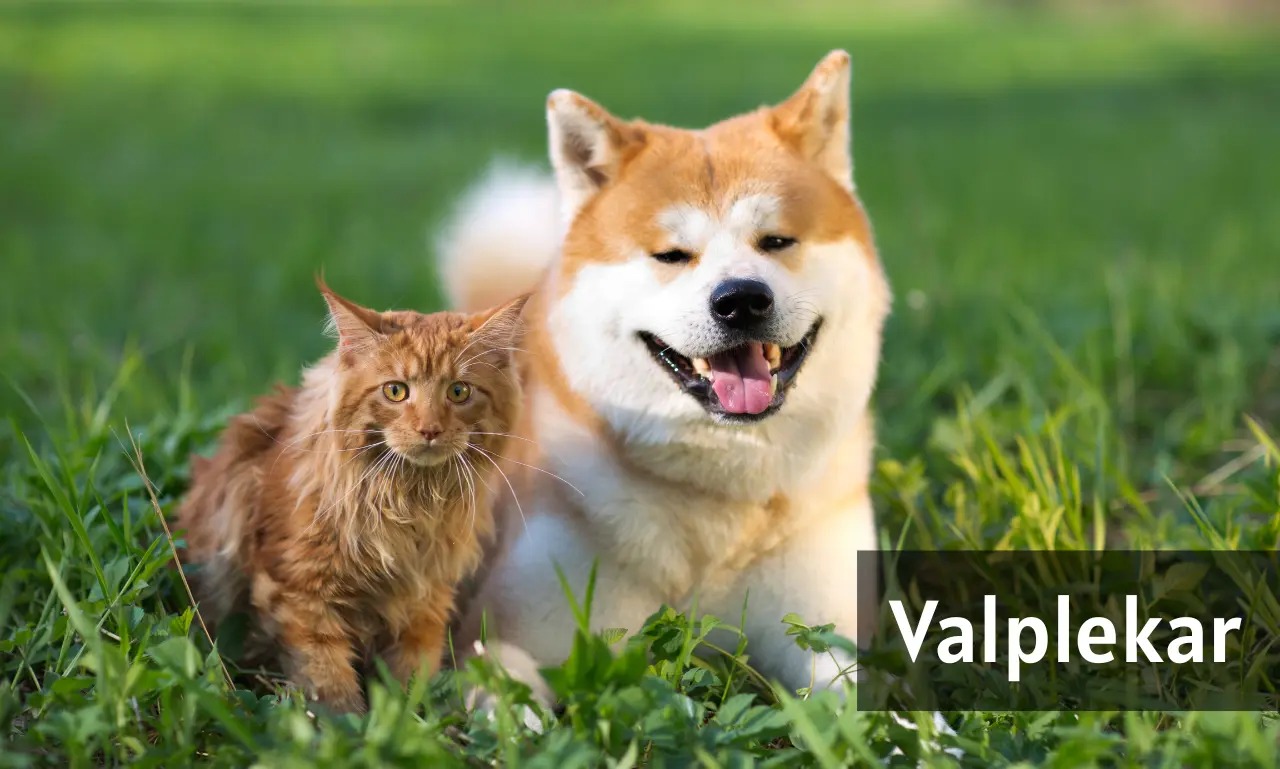
Valplekar: The Complete Guide to Puppy Play, Meaning, Benefits, and Cultural Significance
Introduction
Raising a happy and healthy puppy is one of the most rewarding experiences in life. Puppies are full of energy, curiosity, and excitement. They learn about the world through play, exploration, and interaction. One concept that explains this playful learning is Valplekar.
Valplekar is a term that connects to puppy play and early development. It describes how young dogs learn important life skills through fun activities. At the same time, the word can also appear as a surname with cultural meaning in South Asian traditions.
Because of these different meanings, many people search for Valplekar to understand it better. Some want to learn how to train puppies, while others are curious about the name and its origins.
In this detailed guide, we will explore everything about Valplekar in simple English. You will learn its meaning, importance, benefits, types of puppy play, training tips, and cultural significance. This article will help you fully understand why Valplekar matters in both animal care and human identity.
1. What Is Valplekar and Its Core Meaning
Valplekar is a word that can be understood in two main ways. The first meaning relates to puppy play. In this context, it refers to fun activities that help puppies grow and learn.
The second meaning connects to cultural identity. In some regions, Valplekar is used as a surname that represents family heritage and history.
When we focus on puppy development, Valplekar becomes a very important concept. It explains how puppies learn through play instead of strict training. This method is natural, effective, and widely used in modern pet care.
Play is not just entertainment for puppies. It is a way for them to understand their environment, develop skills, and build relationships.
2. Linguistic and Cultural Origins of Valplekar
The word Valplekar has interesting roots. In Scandinavian languages, it is formed by combining two parts. “Valp” means puppy, and “lekar” means play or games. Together, they describe playful activities for young dogs.
In another context, Valplekar appears as a surname in South Asia. Many surnames in this region are linked to places or communities. The ending “-kar” often means “from a place” or “belonging to a region.”
This shows that Valplekar can have both linguistic and cultural importance. It connects animal behavior with human identity. Understanding these origins helps us see how one word can carry different meanings in different situations.
3. Why Valplekar Is Important for Puppy Development
Puppies learn best when they are having fun. Valplekar focuses on this natural way of learning.
Through play, puppies develop physical strength, mental ability, and social skills. They explore new objects, sounds, and environments. This helps them become confident and curious.
Without enough playtime, puppies may become bored or anxious. This can lead to unwanted behavior like chewing or barking.
Valplekar ensures that puppies grow in a balanced and healthy way. It gives them the foundation they need for a happy life.
4. Types of Puppy Play in Valplekar
Valplekar includes many types of play activities. Each type supports a different aspect of development.
Social play happens when puppies interact with other dogs. They learn how to communicate and behave properly. Physical play includes running, jumping, and chasing. This builds strength and coordination.
Mental play involves problem-solving games like puzzle toys. These activities improve thinking skills. Interactive play happens between puppies and their owners. This strengthens bonding and trust.
By combining these types of play, puppies receive complete development.
5. Social Benefits of Valplekar for Puppies
Social skills are very important for dogs. Valplekar helps puppies learn how to interact with others. When puppies play together, they learn body language. They understand signals like wagging tails, playful movements, and warning signs.
They also learn boundaries. For example, if a puppy bites too hard, the other dog may stop playing. This teaches control and respect.
Early socialization reduces fear and aggression. Puppies that experience positive interactions grow into friendly and confident dogs.
6. Mental and Emotional Growth Through Valplekar
Valplekar supports not only the body but also the mind. Mental games challenge puppies to think and solve problems. This keeps their brains active and engaged. Activities like hiding treats or toys encourage exploration. Puppies use their senses to find hidden objects.
Emotionally, play helps reduce stress and anxiety. Puppies feel safe and happy when they are engaged in fun activities. This leads to better behavior and stronger emotional stability.
7. Physical Health Benefits of Valplekar
Physical activity is essential for a puppy’s growth. Valplekar includes many exercises that improve health.
Running and playing help build muscles and strong bones. Puppies develop better balance and coordination.
Games like fetch or tug-of-war provide exercise while also being enjoyable. Regular physical activity prevents obesity and keeps puppies active. Healthy puppies are more energetic, happier, and easier to train.
8. Structured vs Unstructured Play in Valplekar
Valplekar includes both structured and unstructured play. Structured play involves guided activities. These may include training games, commands, and organized exercises.
Unstructured play allows puppies to explore freely. They can run, jump, and interact without strict rules.
Both types are important. Structured play teaches discipline, while unstructured play encourages creativity and independence. A balance between the two creates well-rounded development.
9. Common Mistakes in Puppy Play
While play is important, some mistakes can reduce its benefits. One common mistake is overstimulation. Too much excitement can lead to aggressive behavior.
Another mistake is rough play. This may encourage biting or jumping. Inconsistent rules can confuse puppies. For example, allowing bad behavior sometimes but not always.
Lack of supervision during play with other dogs can also cause problems. Avoiding these mistakes ensures safe and positive play experiences.
10. Valplekar as a Surname and Cultural Identity
Beyond puppy play, Valplekar can also be a family name. In this context, it represents heritage and ancestry. Many surnames in South Asia are linked to regions or communities.
The name Valplekar may indicate a family’s origin or history. It connects individuals to their cultural roots. Even in modern times, such names carry meaning and identity. They remind people of their background and traditions.
Conclusion
Valplekar is a unique and meaningful term that connects two different worlds. In puppy care, it represents the power of play in shaping a dog’s life. Through playful activities, puppies learn skills that help them grow into healthy and happy adults.
At the same time, Valplekar as a surname reflects cultural identity and heritage. It shows how names carry history and connect people to their roots.
Understanding Valplekar helps us appreciate both animal development and human culture. Whether you are a pet owner or someone interested in language and identity, this concept offers valuable insights.
By learning more about such topics, you can improve your knowledge and make better decisions in everyday life.
FAQs
1. What does Valplekar mean?
Valplekar refers to puppy play activities that help young dogs learn and grow. It can also be a surname.
2. Why is Valplekar important for puppies?
It supports physical, mental, and social development through fun and natural learning.
3. What activities are part of Valplekar?
Activities include fetch, tug-of-war, social play, puzzle games, and training exercises.
4. Can Valplekar improve puppy behavior?
Yes, it helps reduce stress, improve discipline, and encourage positive habits.
5. Is Valplekar only related to dogs?
No, it can also be a surname with cultural and historical meaning.
6. When should puppies start Valplekar?
Puppies can start simple play activities at around 6 to 8 weeks old.