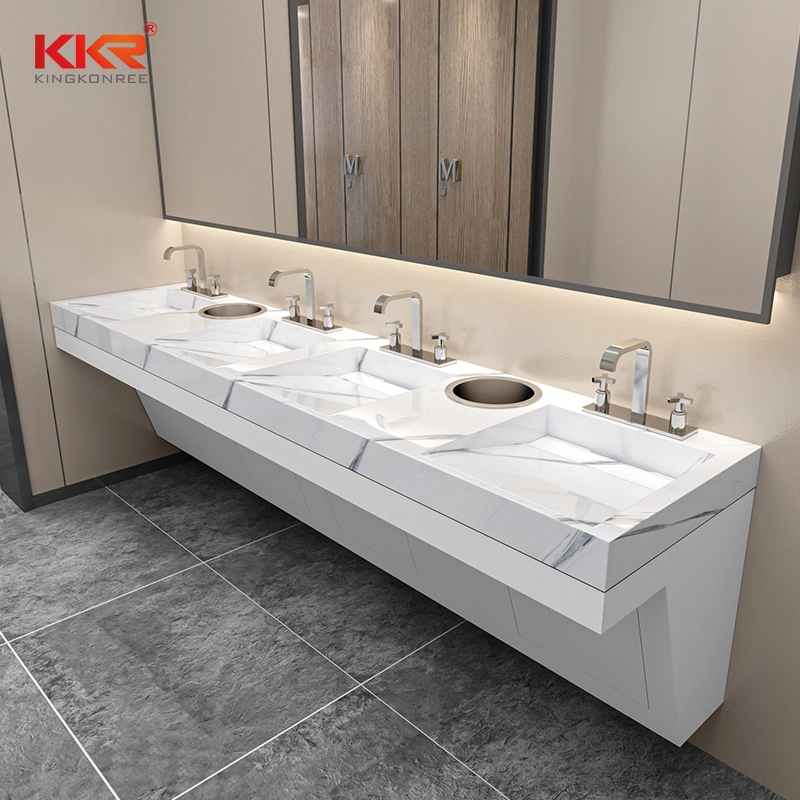
Innovative solid surface washroom concepts for inclusive bathroom access
Introduction
Inclusive bathroom design has become a major focus in modern architecture, especially in public spaces like hotels, hospitals, malls, and offices. One key part of this movement is the use of handicap accessible sinks that support comfort, safety, and independence for all users. Solid surface materials are playing a big role in this shift because they allow designers to create smooth, hygienic, and flexible washroom environments that meet accessibility needs without sacrificing style.
Companies like Kingkonree are helping shape this change by offering advanced solid surface solutions that support inclusive design. These materials are widely used in commercial restroom design because they are durable, easy to clean, and highly customizable. When combined with thoughtful planning, they help create washrooms that are both functional and welcoming for everyone, including wheelchair users and people with limited mobility.
The importance of inclusive design in modern washrooms
Inclusive design in washrooms is no longer optional; it is a necessity for creating equal access in public and private buildings. Handicap accessible sinks are a key part of this approach because they ensure that people of all abilities can comfortably use restroom facilities. Designers now focus on lower installation heights, open knee spaces, and easy-to-reach faucets to support independence and safety for every user.
This shift toward accessibility also reflects global building standards and growing awareness of universal design principles. In places like healthcare facilities, airports, and hotels, inclusive washrooms improve user experience and meet legal compliance requirements. At the same time, architects are using solid surface materials to create seamless countertops and integrated sink designs that reduce barriers and improve usability.
Role of solid surface materials in accessible bathroom design
Solid surface materials have become a preferred choice for accessible bathroom design because they offer a smooth, non-porous finish that supports hygiene and durability. These surfaces can be molded into custom shapes, making it easier to design handicap accessible sinks that meet specific height and clearance needs. This flexibility allows designers to create washrooms that feel modern while still being highly functional.
In addition, solid surface materials help maintain cleanliness in high-traffic environments such as commercial restrooms and public washrooms. Their seamless construction reduces dirt buildup and makes maintenance easier for facility managers. This is especially important in inclusive design, where hygiene and safety must be guaranteed for users with different physical needs.
Designing handicap accessible sinks for comfort and usability
Creating effective handicap accessible sinks requires a careful balance of height, space, and ease of use. The sink must allow wheelchair users to roll underneath comfortably, while also providing enough clearance for safe movement. Designers often use solid surface materials to create integrated sink and countertop systems that eliminate sharp edges and improve user comfort.
Beyond physical accessibility, usability is also important in these designs. Faucets should be easy to operate, and the sink depth must prevent splashing while still being comfortable to use. In hotels, malls, and office buildings, these thoughtful design choices improve the overall experience for all guests, not just those with mobility challenges.
Hygiene and durability in commercial restroom environments
Hygiene is one of the most important factors in commercial restroom design, especially in places with high visitor traffic. Solid surface materials are ideal for this purpose because they are non-porous, meaning they do not absorb water, bacteria, or stains. This makes them highly suitable for handicap accessible sinks in hospitals, schools, and public facilities where cleanliness is critical.
Durability is another key advantage. Washroom fixtures must withstand constant use without losing their appearance or performance. Solid surface products are resistant to cracks, chips, and discoloration, making them a long-term solution for inclusive bathroom access. This durability helps reduce maintenance costs while ensuring that facilities remain safe and visually appealing.
Aesthetic flexibility in inclusive washroom design
Modern inclusive washroom design is not just about function; it is also about aesthetics. Architects and designers now want spaces that look clean, modern, and inviting. Solid surface materials offer a wide range of colors, textures, and finishes, allowing handicap accessible sinks to blend seamlessly into any interior design theme.
This flexibility is especially important in hotels, luxury offices, and retail spaces where visual appeal matters. Seamless countertops and integrated sink designs create a smooth, continuous look that enhances the overall atmosphere. By combining accessibility with style, designers can create washrooms that feel inclusive without looking clinical or industrial.
Future trends in accessible bathroom innovation
The future of accessible bathroom design is moving toward smarter, more user-friendly solutions. Innovations in solid surface technology are making it possible to create even more advanced handicap accessible sinks with improved ergonomics and integrated features. Designers are also exploring touch-free systems, sensor-based faucets, and modular designs that can adapt to different user needs.
Sustainability is also becoming a major focus. Eco-friendly solid surface materials are being developed to reduce environmental impact while maintaining durability and hygiene. As global demand for inclusive design continues to grow, companies like Kingkonree are expected to play a key role in shaping the next generation of accessible washroom solutions.
Conclusion
Inclusive bathroom design is an essential part of modern architecture, and handicap accessible sinks play a central role in making washrooms usable for everyone. By combining thoughtful design with advanced solid surface materials, it is possible to create spaces that are both functional and visually appealing. These innovations ensure that accessibility does not come at the cost of style or durability.
As demand for inclusive design continues to rise, solid surface solutions will remain a key material in commercial restroom design. Their strength, flexibility, and hygiene benefits make them ideal for public and private spaces alike. With continued innovation, the future of washroom design will focus on comfort, equality, and long-term usability for all users.